Generative AI & LLM Integration
GPT, Gemini and open-source LLMs integrated into your product, tuned for accuracy, cost and latency.
- Ideal for
- Products that need text generation, extraction, summarisation or reasoning
- Core stack
- OpenAI, Gemini, Llama, LangChain, LangGraph, Hugging Face
- You get
- A production LLM feature with evaluation and cost controls
The short version
Cutting-edge generative AI solutions and large language model integration for modern AI applications.
Whether you're looking to build a smart internal tool or a full-fledged AI product — I bring hands-on knowledge of GenAI systems from ideation to deployment.
- OpenAI, Hugging Face Model Deployment
- Chatbot Development
In short
- Experience with top LLMs: GPT-4, LLaMA, Mistral, Gemma, DeepSeek, OpenChat, etc.
- Hands-on with frameworks like Langchain, LangGraph, Phidata, CrewAI, Hugging Face Transformers
- RAG Systems: FAISS, ChromaDB, Pinecone; Prompt Templates, Document Chunking, Metadata Filtering
- Prompt Engineering: Zero-shot, few-shot, CoT, context merging, and retrieval injection
- Fine-tuning using LoRA, QLoRA, and Unsloth for domain-specific behavior
What you get
Model selection report
Closed and open models compared on your task for quality, latency and cost per request.
Prompt & output design
Versioned prompts, structured JSON output and validation so responses are machine-readable.
LLM service
A FastAPI backend with streaming, retries, fallbacks and caching.
Evaluation set
A test set of real inputs with automatic scoring, so prompt changes are measured.
Fine-tuned model (optional)
LoRA/QLoRA adapters when prompting alone cannot reach the required behaviour.
Key services & features
Scroll through what this service covers. Each capability is explained in technical depth further down.
Model selection
GPT, Gemini, Llama, Mistral, Gemma or DeepSeek chosen per task by quality, cost and privacy needs.
Prompt engineering
Zero-shot, few-shot, chain-of-thought and ReAct prompting with templates under version control.
Structured output & tools
JSON schema output and function calling so the LLM plugs into your code reliably.
RAG integration
Grounding answers in your data with retrieval, citations and metadata filters.
Fine-tuning
LoRA, QLoRA and Unsloth fine-tuning for domain tone, format and knowledge.
Production serving
Streaming, caching, rate limits, fallbacks and observability for real traffic.
Technical deep dive
The methods and terms behind the work, for technical teams who want to know exactly how it is built. Open any group to explore.
Prompt engineering
Prompts are treated as code: versioned, tested and measured.
- Zero-shot & few-shot
- Instructions alone, or with curated examples that show the exact format and edge cases.
- Chain-of-thought (CoT)
- Step-by-step reasoning for multi-step problems, kept internal when only the answer should be shown.
- ReAct
- Reason-and-act loops where the model alternates thinking with tool calls.
- System prompts & guardrails
- Role, scope, refusal rules and tone defined once and enforced on every call.
- Context engineering
- Choosing what goes into the context window: retrieved passages, memory, examples and tool results.
- Prompt injection defense
- Separating instructions from untrusted content, output checks and least-privilege tools.
Integration patterns
How the LLM becomes a dependable part of your software.
- Structured output / JSON mode
- Responses validated against a schema (Pydantic), with automatic repair or retry on failure.
- Function calling
- The model selects functions with typed arguments; your code executes them safely.
- Streaming
- Token streaming for fast perceived response time in chat interfaces.
- Caching
- Exact and semantic caches to cut repeated cost and latency.
- Model routing & fallback
- Cheap models for easy requests, stronger models for hard ones, and a fallback provider on outages.
- Token budgeting
- Context trimming and summarisation to keep cost per request predictable.
Fine-tuning
Used when prompting and retrieval are not enough, not by default.
- LoRA
- Low-rank adapters train a small fraction of weights, making fine-tuning affordable.
- QLoRA
- LoRA on a 4-bit quantised base model, so larger models fit on a single GPU.
- Unsloth
- Faster, memory-efficient fine-tuning of Llama, Mistral and Gemma models.
- Instruction datasets
- Curating and cleaning instruction-response pairs, which matters more than the training settings.
- Evaluation after tuning
- Comparing the tuned model with the base model on a held-out set to prove the gain.
- Published example
- DoctorHimel_V1, a fine-tuned medical chatbot model released on Hugging Face.
How we work together
Discover
A call to understand the goal, the users and the data. I tell you honestly whether AI is the right tool.
Design
Scope, architecture, data flow and success metrics agreed in writing before any build starts.
Build
Iterative development with demos every week, so you see working software early and steer it.
Evaluate
Tested on real questions and real data against the agreed metrics, not just a happy-path demo.
Deploy
Shipped to your cloud or server with Docker, monitoring and documentation.
Support
Handover, training and optional ongoing improvements as usage grows.
Tools & technologies
Models
- OpenAI GPT
- Gemini
- Llama
- Mistral
- Gemma
- DeepSeek
Frameworks
- LangChain
- LangGraph
- Phidata
- CrewAI
- Transformers
Fine-tuning
- LoRA
- QLoRA
- Unsloth
- Hugging Face
Serving & ops
- FastAPI
- Docker
- Ollama
- Langfuse
Where this fits
Document Q&A
Ask questions across PDFs, policies and reports with cited answers.
Content and report generation
Drafts, summaries and insights generated in your format and tone.
Information extraction
Turn emails, CVs and forms into structured data automatically.
Domain chatbots
Medical, education and finance assistants with domain-specific behaviour.
Related projects
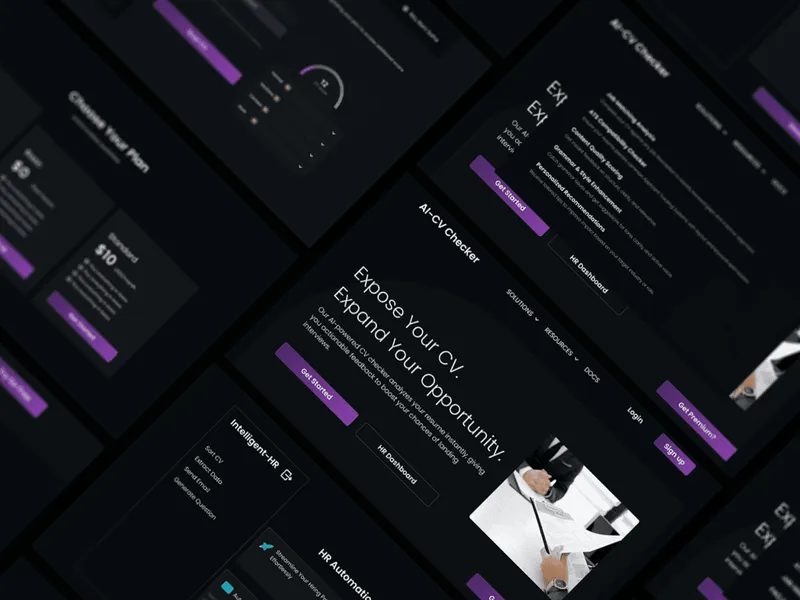
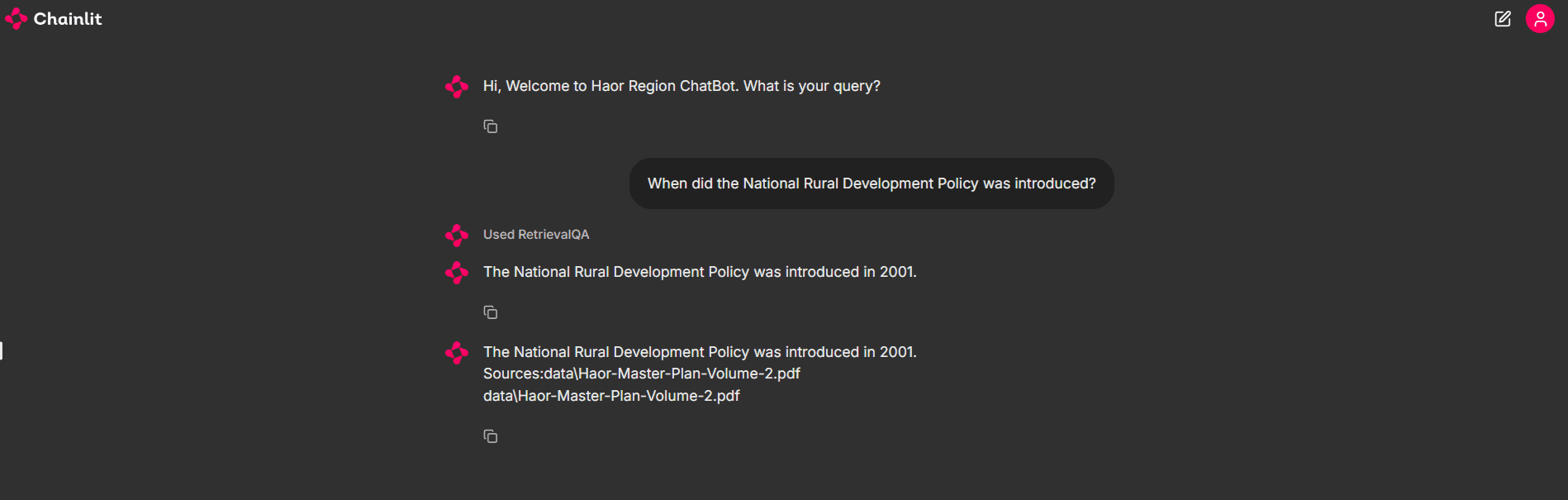
Real systems built with this service, each with a full case study.

Common questions
- Should we use OpenAI or an open-source model?
- Closed models are usually strongest and quickest to ship; open-source models win when data must stay on your servers or cost at scale matters. I compare both on your actual task before deciding.
- Do we need fine-tuning?
- Usually not at first. Good prompting plus retrieval solves most cases. Fine-tuning is worth it for a consistent format, tone or specialised behaviour that prompting cannot reach.
- How do you control LLM cost?
- With model routing, caching, token budgets and monitoring of cost per request, so spending stays predictable as usage grows.
Have an AI problem worth solving?
Tell me what you are trying to build. I will tell you honestly whether AI is the right tool, what it would take, and how I would approach it.
Typical reply within 24 hours
Working from Dhaka, Bangladesh · remote worldwide