AI Architecture & Solution Design
A clear plan for AI before money is spent: use cases, architecture, cost and risk.
- Ideal for
- Leaders deciding where and how to use AI
- Format
- Workshops, architecture documents and a costed roadmap
- You get
- A decision-ready plan your team or any vendor can build from
The short version
Strategic AI consulting and comprehensive solution architecture for scalable AI implementations.
- End-to-End AI Project Planning
- Use Case Evaluation & System Architecture Design
In short
- Translating business goals into AI-powered technical solutions
- AI system architecture planning (API design, model flow, data pipeline structuring)
- R&D and solution design for startups and enterprise use cases
- Ethical AI practices: bias mitigation, data privacy, safe deployment
- AI product-market fit, cost analysis, deployment options (cloud vs edge)
What you get
Use-case assessment
Candidate use cases ranked by value, feasibility, data readiness and risk.
Architecture document
System diagram, components, APIs, data flow and the reasoning behind each choice.
Cost model
Estimated monthly cost for models, infrastructure and storage at expected usage.
Risk & compliance review
Privacy, security, bias and failure modes with mitigations.
Roadmap
A phased plan from proof of concept to production with milestones and metrics.
Key services & features
Scroll through what this service covers. Each capability is explained in technical depth further down.
Business-to-AI translation
Turning business goals into concrete AI capabilities with measurable success criteria.
Feasibility & data readiness
Checking whether the data, accuracy and latency needed are realistic before building.
System architecture
APIs, model flow, retrieval, data pipelines and integration points designed end to end.
Build vs buy
When to use a SaaS tool, a hosted API, an open model or a custom build.
Cost & deployment options
Cloud vs on-premise vs edge, with cost per request and scaling modelled.
Responsible AI
Bias mitigation, data privacy, human oversight and safe deployment practices.
Technical deep dive
The methods and terms behind the work, for technical teams who want to know exactly how it is built. Open any group to explore.
Discovery & feasibility
The cheapest AI project is the one you correctly decide not to build.
- Use-case scoring
- Value, feasibility, data availability and risk scored side by side to pick the first project.
- Data readiness audit
- Where the data lives, its quality, access rights and what labelling is needed.
- Success metrics
- Accuracy, latency, adoption and cost targets agreed before the build starts.
- Proof of concept
- A small time-boxed build that tests the riskiest assumption first.
Architecture patterns
Proven building blocks combined to fit your constraints.
- RAG architecture
- Ingestion, chunking, embedding, vector store, retrieval, reranking and generation as separate, testable stages.
- Agentic architecture
- Orchestrator, tools, memory and guardrails, with clear limits on what agents may do.
- API & microservices
- AI capabilities exposed as versioned services (FastAPI) behind a gateway.
- Event & batch pipelines
- Queues and scheduled jobs for document processing and offline inference.
- Multi-tenant design
- Isolated data and configuration per client or department in one platform.
- Architecture Decision Records
- Short documents recording each major choice and why, so future teams understand it.
Operations, cost & risk
Designing for day two, not just launch day.
- LLM observability
- Tracing every prompt, retrieval and response with Langfuse; dashboards in Grafana.
- Evaluation strategy
- Offline test sets plus online feedback to catch regressions.
- Cost modelling
- Tokens, embeddings, vector storage and compute estimated per user and per month.
- Cloud vs edge
- Hosted APIs, self-hosted open models or on-device inference, compared on cost, privacy and latency.
- Security & privacy
- PII handling, access control, data retention and prompt-injection defenses.
- Responsible AI
- Bias checks, transparency to users and human-in-the-loop for high-stakes decisions.
How we work together
Discover
A call to understand the goal, the users and the data. I tell you honestly whether AI is the right tool.
Design
Scope, architecture, data flow and success metrics agreed in writing before any build starts.
Build
Iterative development with demos every week, so you see working software early and steer it.
Evaluate
Tested on real questions and real data against the agreed metrics, not just a happy-path demo.
Deploy
Shipped to your cloud or server with Docker, monitoring and documentation.
Support
Handover, training and optional ongoing improvements as usage grows.
Tools & technologies
AI
- OpenAI
- Gemini
- LangChain
- LangGraph
- Qdrant
- FAISS
Backend
- FastAPI
- PostgreSQL
- Docker
- AWS (basic)
Observability
- Langfuse
- Grafana
Where this fits
Enterprise AI assistant planning
Architecture for a company-wide assistant with retrieval, skills and observability.
EdTech platforms
AI tutoring, assessment and OCR features planned around real classrooms.
Transport and campus systems
Digital mobility solutions such as DIU Smart Transport.
Vision platforms
OCR and face-recognition systems designed for accuracy and privacy.
Related projects
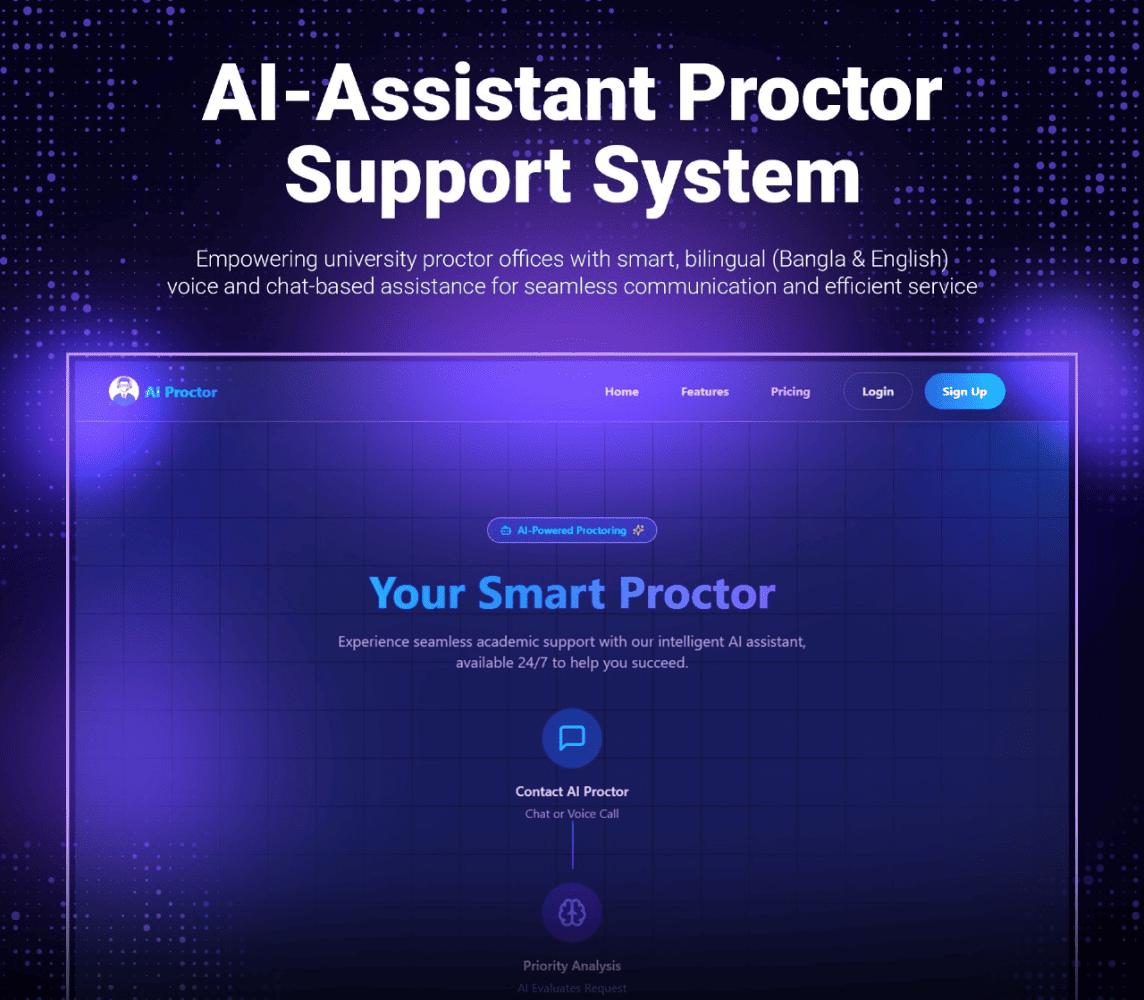
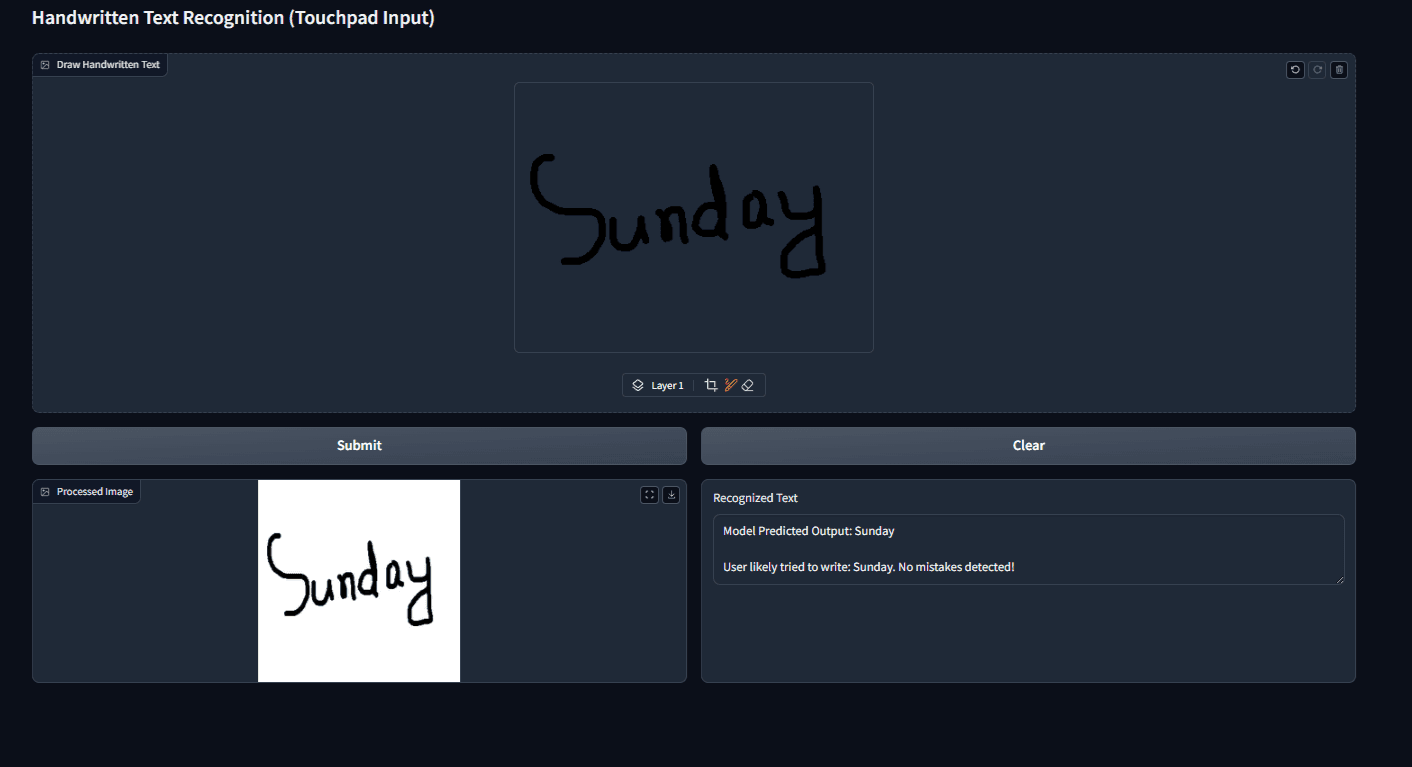
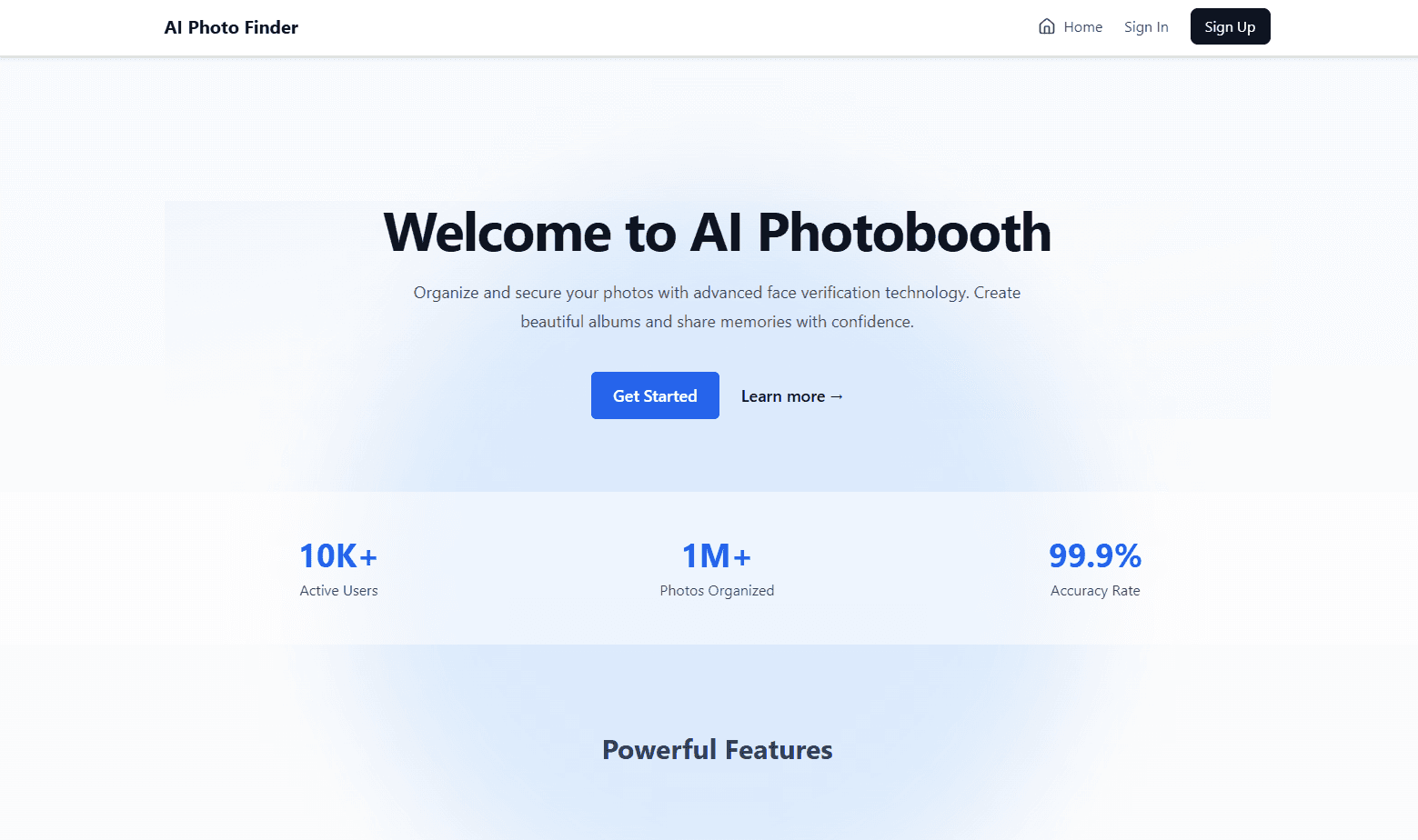
Real systems built with this service, each with a full case study.
Common questions
- Can you design the system even if another team builds it?
- Yes. The architecture document and roadmap are written so any capable team or vendor can build from them.
- How long does an architecture engagement take?
- A focused assessment for one use case is usually one to three weeks, depending on how many systems and stakeholders are involved.
- Do you consider whether AI is needed at all?
- Always. If a rules-based system or an existing tool solves the problem better, the recommendation says so.
Have an AI problem worth solving?
Tell me what you are trying to build. I will tell you honestly whether AI is the right tool, what it would take, and how I would approach it.
Typical reply within 24 hours
Working from Dhaka, Bangladesh · remote worldwide