Deep Learning & Computer Vision Solutions
Neural networks that see and read: detection, recognition, segmentation and OCR.
- Ideal for
- Products that must understand images, video or handwriting
- Core stack
- PyTorch, TensorFlow/Keras, OpenCV, YOLOv8, TrOCR
- You get
- A trained model, evaluation results and a deployable service
The short version
Advanced deep learning and computer vision solutions using state-of-the-art neural network architectures.
- Neural Network Development (ANN, CNN)
- Model Training using TensorFlow, Keras, PyTorch
In short
- Hands-on expertise with ANN/CNN architectures
- Tools: TensorFlow, Keras (primary), and PyTorch (secondary)
- Applied techniques: Data augmentation, Transfer learning, Fine-tuning, SMOTE
- Key projects include:
- Understanding of key deep learning components: activation functions, optimizers, loss functions, regularization
What you get
Dataset plan
Labelling guidelines, augmentation and splits that reflect real conditions.
Trained model
Detection, classification, segmentation or OCR model with documented metrics.
Evaluation report
mAP, IoU, accuracy or character error rate, with failure examples.
Inference service
An API or demo app (Gradio, Streamlit) packaged with Docker.
Optimised export
ONNX or quantised versions when speed or device limits matter.
Key services & features
Scroll through what this service covers. Each capability is explained in technical depth further down.
CNN architectures
Convolutional networks for classification, from custom models to pretrained backbones.
Transfer learning
Fine-tuning pretrained models so good accuracy needs far less data.
Object detection
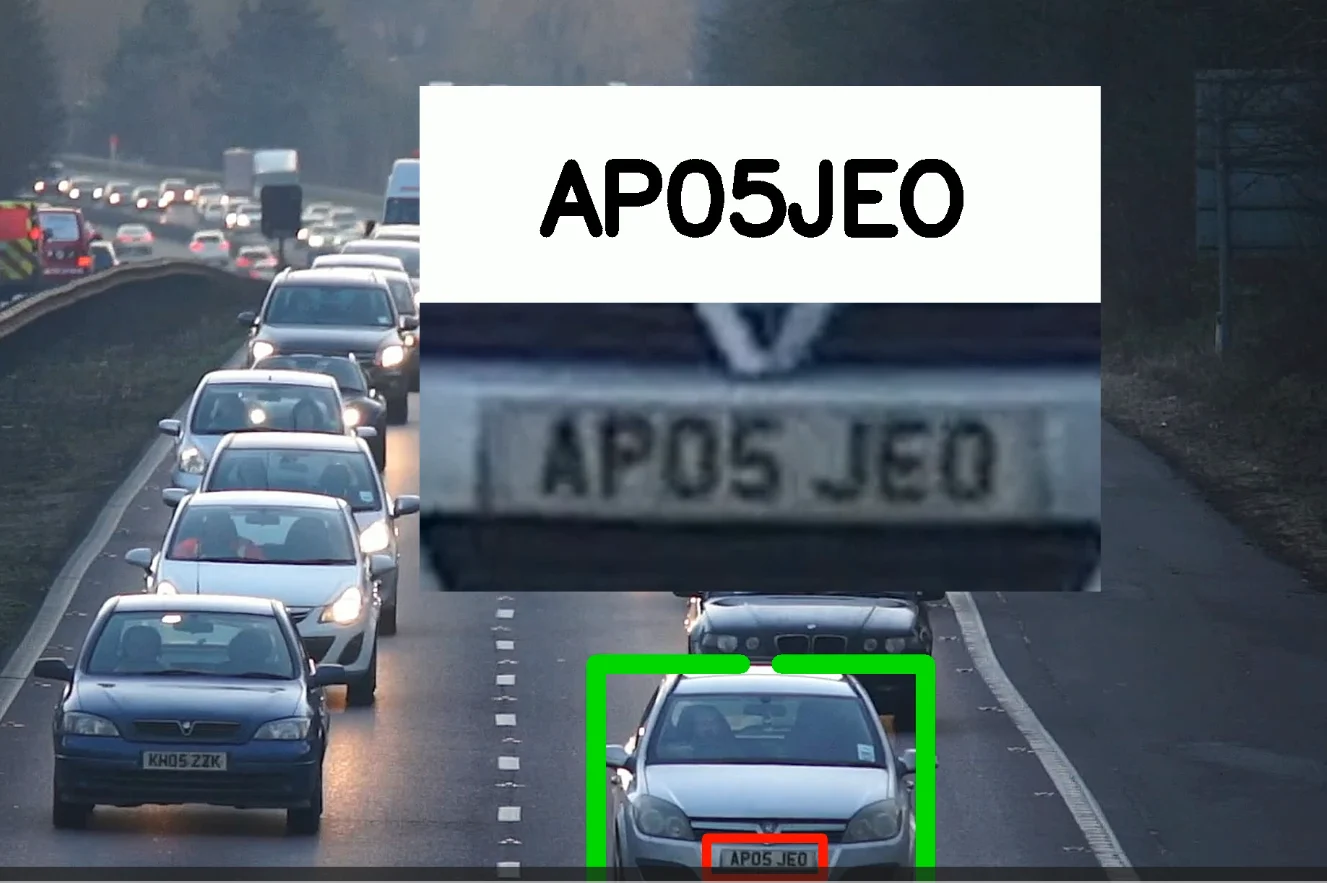
YOLOv8 detection for vehicles, plates, products and more, in real time.
OCR
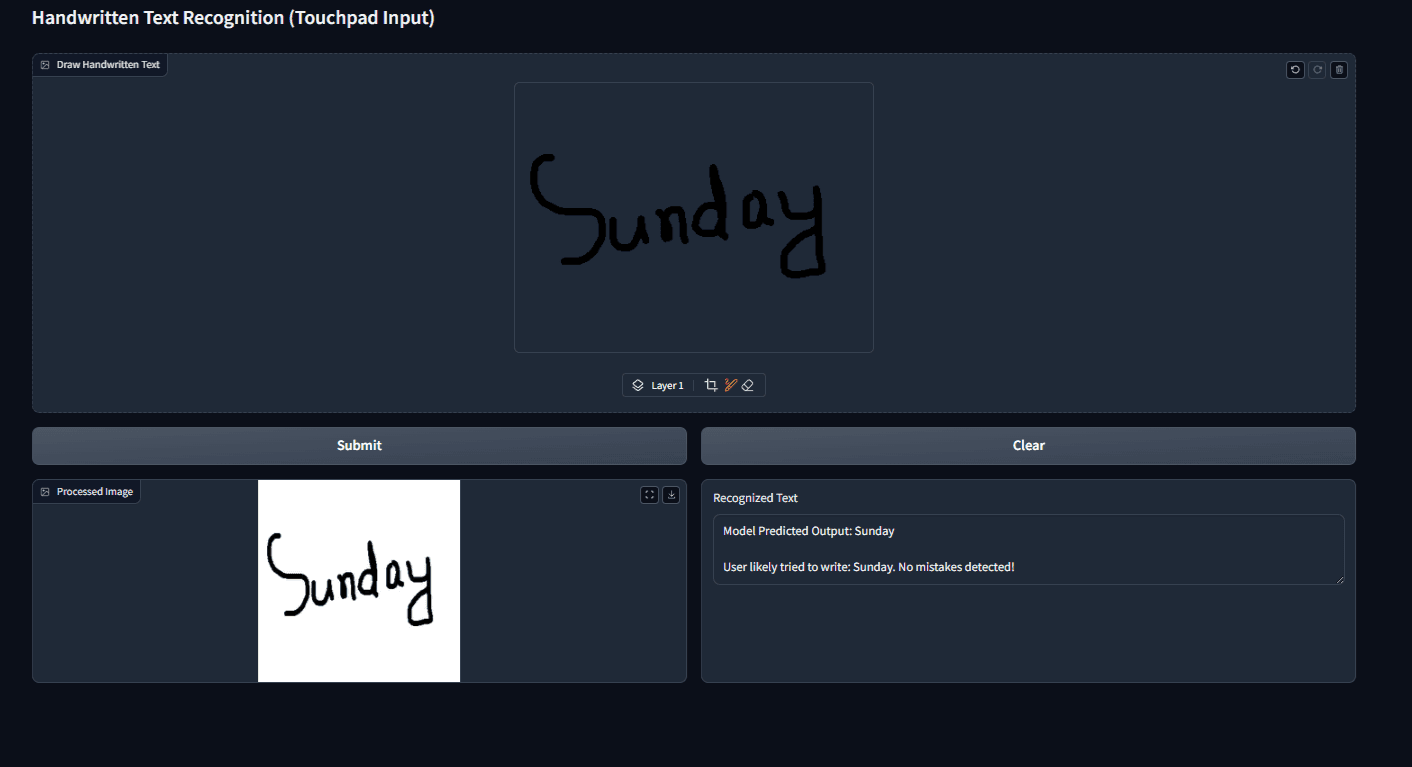
Handwritten and printed text recognition with TrOCR and EasyOCR.
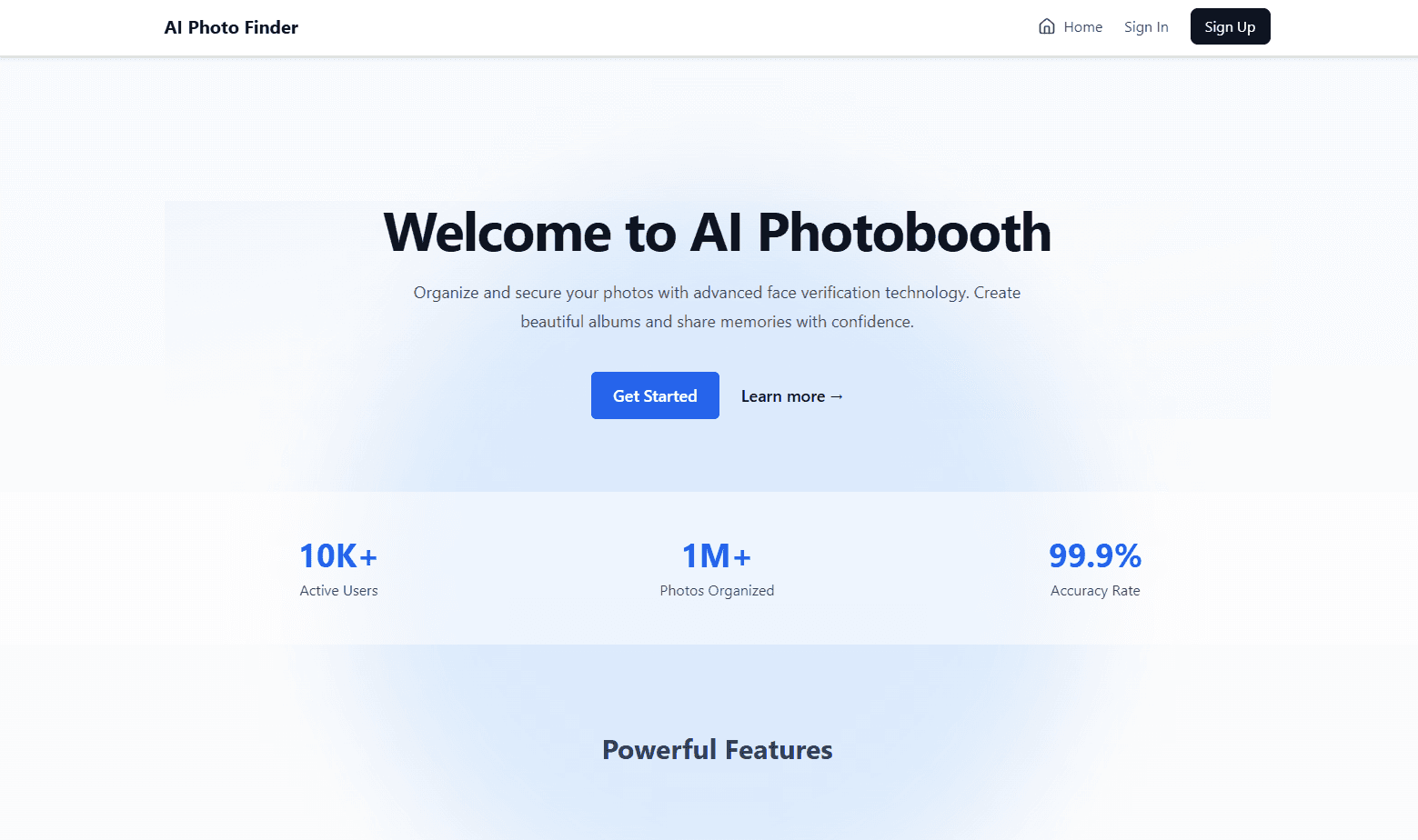
Face recognition
Face embeddings with vector similarity search across large photo collections.
Segmentation
Pixel-level masks for medical, agricultural and industrial images.
Technical deep dive
The methods and terms behind the work, for technical teams who want to know exactly how it is built. Open any group to explore.
Training techniques
Getting strong accuracy from limited, messy real-world images.
- Transfer learning
- Starting from ImageNet or task-specific pretrained weights, then fine-tuning the top or all layers.
- Data augmentation
- Flips, crops, colour jitter, blur and mosaic so the model handles real lighting and angles.
- Class imbalance
- Weighted loss, oversampling and SMOTE-style strategies for rare classes.
- Regularisation
- Dropout, weight decay, batch normalisation and early stopping against overfitting.
- Optimisers & schedules
- Adam, AdamW and SGD with learning-rate schedules and warmup.
- Loss functions
- Cross-entropy, focal loss and Dice loss chosen for the task.
Vision tasks
Each task has its own model family and metric.
- Image classification
- CNNs such as ResNet and EfficientNet; measured with accuracy, F1 and confusion matrices.
- Object detection
- YOLOv8 with bounding boxes and confidence scores; measured with mAP@0.5 and mAP@0.5:0.95.
- Segmentation
- U-Net style and YOLOv8-seg masks; measured with IoU and Dice.
- Face recognition
- Face detection, alignment and embeddings, matched with FAISS vector similarity.
- OCR
- TrOCR transformer OCR for handwriting, EasyOCR for printed text; measured with character error rate.
Deployment
A model is only useful once it runs where the images are.
- ONNX export
- Framework-independent models for faster CPU and GPU inference.
- Quantisation
- Smaller, faster models for edge devices with minimal accuracy loss.
- Batch vs real-time
- Queued processing for archives, streaming inference for cameras.
- Demo apps
- Gradio and Streamlit interfaces for stakeholders to test the model directly.
How we work together
Discover
A call to understand the goal, the users and the data. I tell you honestly whether AI is the right tool.
Design
Scope, architecture, data flow and success metrics agreed in writing before any build starts.
Build
Iterative development with demos every week, so you see working software early and steer it.
Evaluate
Tested on real questions and real data against the agreed metrics, not just a happy-path demo.
Deploy
Shipped to your cloud or server with Docker, monitoring and documentation.
Support
Handover, training and optional ongoing improvements as usage grows.
Tools & technologies
Frameworks
- PyTorch
- TensorFlow
- Keras
- OpenCV
Models
- YOLOv8
- TrOCR
- EasyOCR
- CNN / ResNet
Data
- Roboflow
- FAISS
- NumPy
Serving
- Gradio
- Streamlit
- Flask
- Docker
Where this fits
Handwritten OCR for education
Automated assessment of children's handwriting on UNESCO's learning platform.
Number plate recognition
Detecting plates with YOLOv8 and reading them with OCR for parking and traffic.
Event photo search
Find every photo of a person in large albums with face recognition.
Medical and plant imaging
Eye-disease and flower classification with CNNs.
Related projects
Real systems built with this service, each with a full case study.
Common questions
- How many images do we need to train a model?
- With transfer learning, a few hundred well-labelled images per class is often enough to start. More varied data improves robustness.
- Can it run in real time?
- Yes for many tasks. YOLOv8 detection runs in real time on a GPU, and optimised exports can run on CPUs or edge devices.
- Can you read handwriting?
- Yes. The TrOCR-based system for UNESCO's platform reads handwritten English for automated assessment.
Have an AI problem worth solving?
Tell me what you are trying to build. I will tell you honestly whether AI is the right tool, what it would take, and how I would approach it.
Typical reply within 24 hours
Working from Dhaka, Bangladesh · remote worldwide